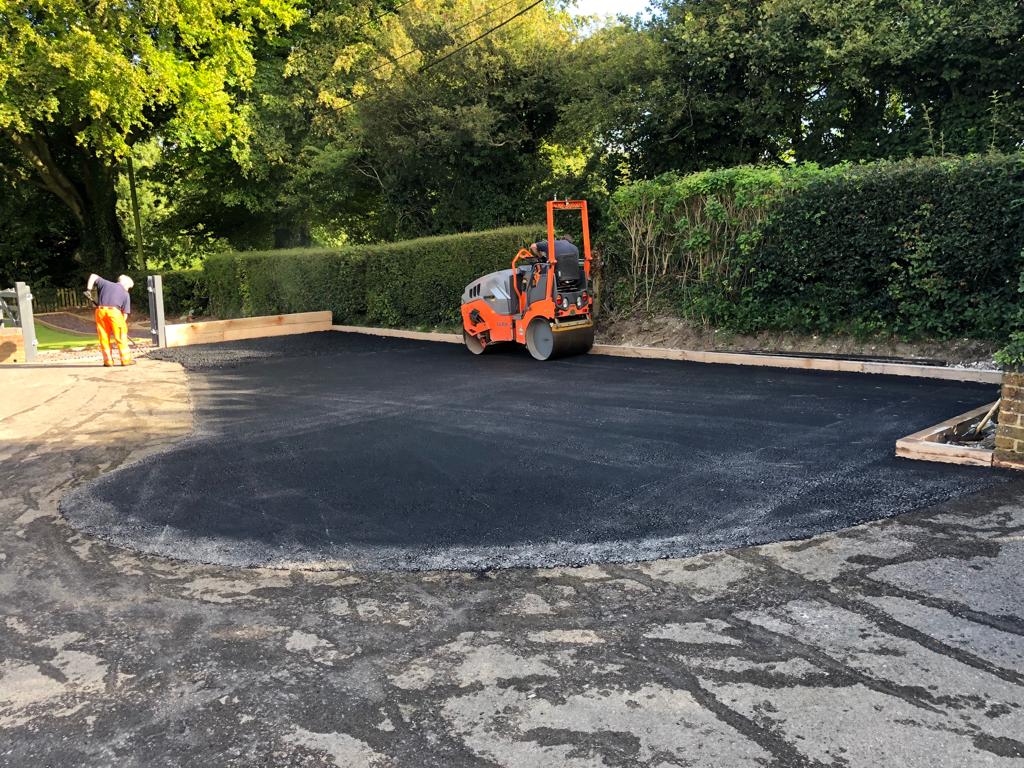
An asphalt surface does not need to contain large potholes or severe cracking before it deserves attention. In many cases, deterioration begins much more subtly. The surface may start looking faded, become rougher under tyres, develop fine cracks or lose some of the consistent finish it had when first installed.
For property owners in Ocean Shores, NSW, these early changes are worth monitoring. Some are part of normal asphalt ageing, while others can indicate that maintenance or resurfacing should be considered. The important step is determining what is causing the deterioration and addressing it before surface wear progresses into deeper pavement damage.
Why Does Asphalt Begin to Look Worn?
Asphalt is continually exposed to vehicle traffic, sunlight, rainfall and changing conditions. Over time, the binder within the surface ages and the pavement gradually loses some of its original appearance and flexibility.
Traffic also contributes to physical wear, particularly in areas where vehicles regularly turn, brake or remain stationary.
Common signs of an ageing asphalt surface include:
- Fading or loss of the original dark finish
- Fine surface cracking
- Increasingly rough texture
- Loose aggregate
- Small depressions
- Worn edges
- Localised potholes
- Water beginning to collect in low areas
Not every one of these symptoms means the pavement requires complete resurfacing, but several appearing together can justify a closer assessment.
Start by Looking Beyond the Colour
One of the first visible changes in asphalt is often fading. A surface that was originally dark can gradually become lighter as it ages.
Colour change alone does not necessarily mean the pavement is failing.
Condition Matters More Than Appearance
Instead of focusing only on fading, examine whether the surface is also experiencing physical deterioration.
Ask whether:
- Cracks are beginning to appear
- Aggregate is becoming loose
- The surface feels increasingly rough
- Depressions have developed
- Water drainage has changed
- Previous repairs are deteriorating
These changes provide much more useful information about pavement condition than colour alone.
Check for Small Cracks
Cracking is one of the most important early signs to monitor.
A few minor cracks may be suitable for targeted maintenance, but they should not simply be ignored. Open cracks can provide pathways for water to reach the pavement layers beneath the asphalt.
Once moisture enters the pavement, repeated traffic can place additional stress on weakened sections.
Look for Changes Over Time
Pay particular attention if cracks are:
- Becoming wider
- Increasing in number
- Connecting with nearby cracks
- Appearing around repaired sections
- Developing near pavement edges
The pattern of cracking can help indicate whether deterioration remains localised or is becoming more widespread.
Inspect the Surface for Loose Material
As the upper asphalt layer deteriorates, aggregate can begin loosening from the surface.
Initially, this may appear as a slightly rough texture. As deterioration progresses, more material may become dislodged under vehicle traffic.
This matters because the wearing surface is responsible for protecting the pavement underneath. Continued material loss can leave the surface increasingly vulnerable to moisture and traffic damage.
If loose aggregate is becoming noticeable across a larger area, professional assessment is worthwhile.
Pay Attention to Water After Rain
Rainfall can reveal pavement problems that are much less obvious during dry conditions.
After wet weather, look for areas where water remains on the asphalt rather than draining away.
Why New Puddles Matter
Standing water may indicate that the surface has developed depressions or that existing levels have changed.
Water collecting repeatedly in the same location can also accelerate deterioration if cracks or damaged areas allow moisture to penetrate the pavement.
For asphalt surfaces in Ocean Shores, NSW, drainage should therefore be considered alongside visible surface wear rather than as a separate issue.
Do Not Ignore Small Potholes
Potholes often represent a more advanced stage of deterioration.
They can develop when surface material breaks away after the pavement underneath has weakened. Vehicle traffic then continues damaging the exposed edges, allowing the pothole to become progressively larger.
An isolated pothole may be suitable for localised repair. Several potholes developing across an ageing surface can indicate a broader pavement issue.
Early attention helps prevent the damaged area from continuing to expand unnecessarily.
Look at High-Traffic Areas Closely
Not every part of an asphalt surface experiences the same amount of stress.
Areas where vehicles regularly turn, brake, accelerate or park may deteriorate faster than sections carrying straightforward traffic.
Inspect:
- Entry and exit points
- Turning areas
- Regular parking positions
- Heavily travelled wheel paths
- Edges where vehicles repeatedly cross
Concentrated wear in these locations may require localised attention even when the remainder of the asphalt is still performing well.
Decide Whether Maintenance or Resurfacing Is More Appropriate
The correct response to worn asphalt depends on the extent and cause of the deterioration.
Minor Maintenance May Be Suitable When
Localised attention may be appropriate where:
- Cracking remains limited
- Individual potholes are isolated
- Most of the surface remains sound
- Drainage continues functioning effectively
- There is no widespread pavement movement
Addressing these issues early can help preserve the existing asphalt.
Resurfacing May Be Worth Considering When
Asphalt resurfacing becomes more relevant when deterioration is widespread across the wearing surface but the pavement underneath remains sufficiently stable.
Possible indicators include:
- Extensive surface wear
- Numerous cracks
- Repeated local repairs
- Widespread roughness
- Multiple minor defects
- An increasingly inconsistent driving surface
Resurfacing can renew the upper pavement layer while retaining suitable parts of the existing structure.
Why Simply Covering Worn Asphalt Is Not Enough
A new asphalt layer should not be used to conceal unresolved problems underneath.
If an existing pavement has soft areas, significant settlement, poor drainage or structural failure, these problems should be addressed during preparation.
Otherwise, deterioration within the existing pavement may eventually affect the new surface.
Before resurfacing, a professional assessment should consider:
- Existing pavement stability
- Condition of the base
- Depth of cracking
- Areas of deformation
- Drainage performance
- Traffic requirements
This is why preparation is such an important part of successful asphalt resurfacing.
Consider How the Surface Feels to Drive On
Visual inspection provides useful information, but changes in ride quality can also reveal deterioration.
A surface may require attention if drivers increasingly notice:
- Rough sections
- Repeated vibration
- Depressions
- Rutting
- Abrupt transitions between repaired areas
- Uneven vehicle movement
These symptoms can indicate that deterioration is beginning to affect the practical performance of the pavement rather than its appearance alone.
Avoid Waiting for Complete Surface Failure
One of the most useful things property owners can do is respond while the pavement still contains material worth preserving.
Waiting until an asphalt surface contains widespread potholes, significant deformation and structural deterioration can limit the maintenance options available.
Earlier assessment provides an opportunity to determine whether targeted repairs or resurfacing can preserve the existing pavement before more extensive deterioration develops.
A Simple Asphalt Condition Checklist
If your asphalt is beginning to look worn, check for:
- Surface cracking
- Loose aggregate
- Potholes
- Depressions or rutting
- Standing water
- Edge deterioration
- Rough vehicle movement
- Increasing numbers of previous repairs
The more of these issues that are present, the more worthwhile a professional pavement assessment becomes.
Why Professional Assessment Adds Value
Surface deterioration does not always reveal exactly what is happening underneath.
Two asphalt areas can look similar while requiring very different treatment. One may simply have an ageing wearing surface, while another may be deteriorating because the pavement underneath has lost stability.
Ocean Shores Surfacing Solutions assesses asphalt surfaces in Ocean Shores, NSW, with attention to both the visible condition and the factors influencing it. This helps determine whether maintenance, repairs or resurfacing represents the most appropriate next step rather than recommending unnecessary work.
Protecting Asphalt Through Ongoing Maintenance
Once an asphalt surface has been repaired or resurfaced, continued observation remains valuable.
Routine checks allow developing problems to be noticed early, particularly after periods of heavy use or wet weather.
Keeping drainage areas clear, monitoring cracks and addressing localised defects before they spread can all help support longer-term pavement performance.
Asphalt is durable, but its lifespan depends partly on how quickly developing problems are recognised and managed.
Conclusion
A worn-looking asphalt surface does not automatically need to be replaced. Fading may simply indicate normal ageing, while cracking, loose aggregate, potholes, standing water and increasing roughness can suggest that maintenance or resurfacing deserves consideration.
The best response depends on why the surface is deteriorating and whether the pavement underneath remains structurally suitable. Acting while deterioration is still manageable can help preserve more of the existing surface and prevent minor defects from developing into larger problems.
If your driveway, road, car park or access surface in Ocean Shores, NSW, is beginning to show noticeable signs of wear, Ocean Shores Surfacing Solutions can assess its condition and recommend a practical approach to repairs or asphalt resurfacing based on what the pavement actually requires.
Call us on: 07 3113 9392
Click here to find out more about Ocean Shores Surfacing Solutions
Click here to complete our contact form and see how we can help with your driveway needs.