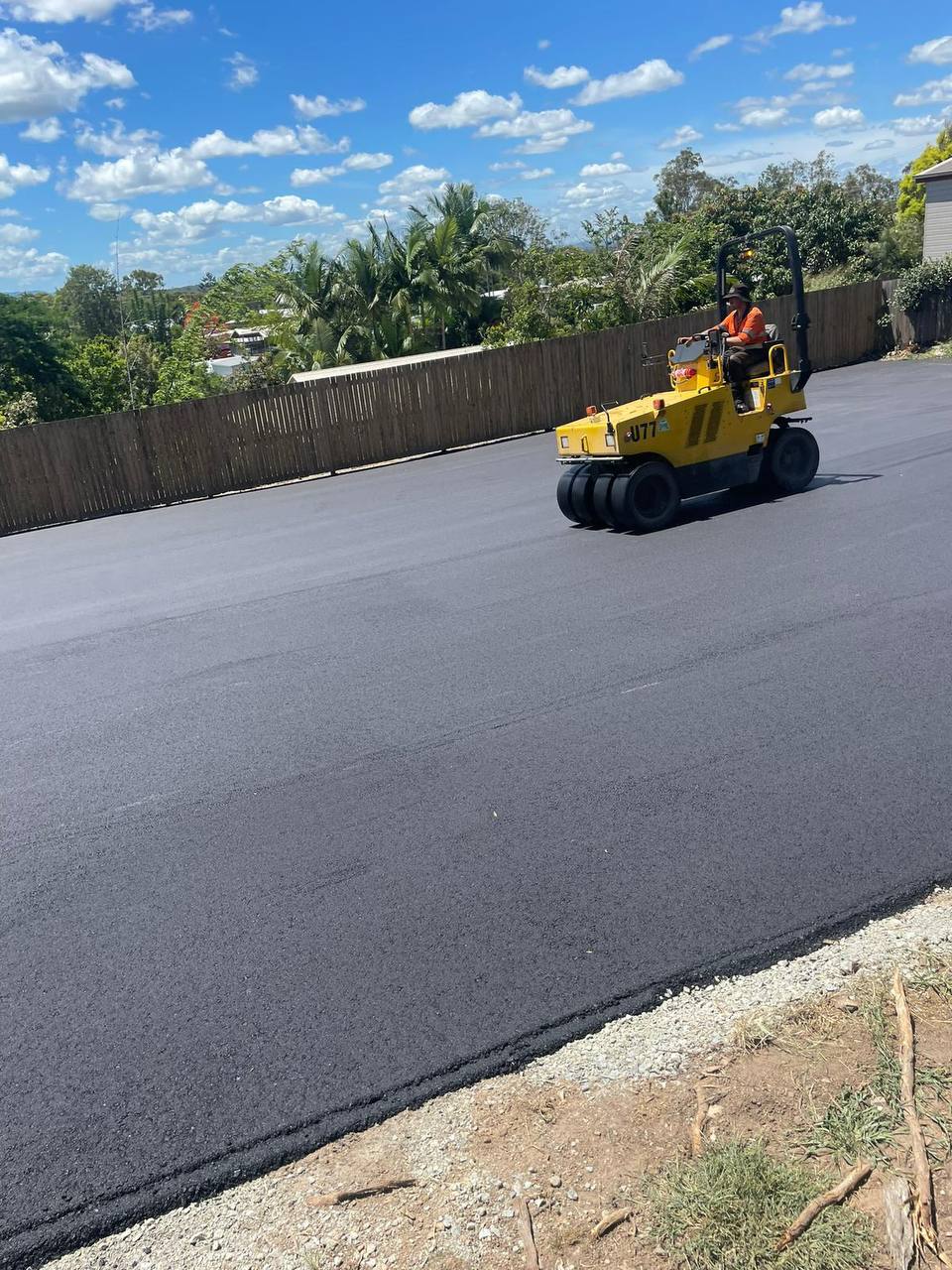
Asphalt is a popular choice for driveways, access roads and other paved surfaces because it provides a smooth, practical finish when properly installed and maintained. However, cracks can develop over time due to weather exposure, water penetration, ground movement and repeated vehicle use. If left untreated, these defects can allow further deterioration and affect the durability of the surface.
For property owners in Ocean Shores, NSW, Australia, understanding why asphalt cracks and how to respond can help preserve the condition of a driveway or paved area. Ocean Shores Surfacing Solutions provides professional surfacing services to help identify surface problems, assess their causes and recommend suitable repairs.
What Causes Asphalt Surfaces to Crack?
Asphalt cracking can occur for several reasons. Understanding the underlying cause is important because the most effective repair depends on the type of crack, its severity and the condition of the surrounding pavement.
Water Penetration and Poor Drainage
Water is one of the main contributors to asphalt deterioration. When rainwater enters through small cracks, it can weaken the supporting layers beneath the surface, particularly if drainage is inadequate. Over time, this may lead to further cracking, depressions or sections of pavement becoming loose.
In Ocean Shores, periods of heavy rainfall can place additional demands on surface drainage. Ensuring water flows away from the paved area, rather than collecting in low spots, helps reduce prolonged moisture exposure.
Ground Movement and Weak Foundations
Asphalt relies on a stable, well-prepared base for support. If the ground beneath the pavement settles unevenly or the base layer becomes weakened, the surface may crack as it responds to the movement.
Cracks associated with foundation problems may widen over time or appear alongside depressions and uneven sections. Filling the visible crack alone may not resolve the issue if the underlying support remains unstable.
Vehicle Loads and Repeated Use
Driveways and access areas experience repeated pressure from vehicles. Heavy loads, frequent turning and concentrated traffic can place stress on asphalt, especially where the pavement was not designed for the level of use.
Cracking may develop around areas where vehicles regularly stop, turn or park. If these defects continue to spread, a surfacing assessment can help determine whether localised repairs or more extensive work is appropriate.
Ageing and Weather Exposure
Asphalt naturally changes as it ages. Exposure to sunlight, air and changing temperatures can cause the binder to become less flexible, making the surface more susceptible to cracking.
Over time, minor surface cracks may develop into wider openings, particularly when combined with moisture and regular traffic. Routine inspections help identify deterioration before the affected area becomes more difficult to repair.
How to Recognise Different Types of Asphalt Cracking
Not all cracks indicate the same problem. Their appearance and location can provide useful clues about the condition of the surface.
- Hairline cracks: Small, narrow openings that may be early signs of surface ageing or minor movement.
- Longitudinal cracks: Cracks running along the direction of the driveway or paved area, potentially associated with joints, construction defects or movement.
- Transverse cracks: Cracks extending across the surface, which may result from material ageing, temperature changes or movement beneath the pavement.
- Alligator cracking: A network of interconnected cracks resembling scales, often associated with fatigue or inadequate support beneath the asphalt.
- Cracking around depressions: Defects accompanied by sinking or uneven areas may indicate problems with the underlying base or drainage.
A visual assessment can identify these patterns, but determining the precise cause may require a closer inspection of the pavement and its supporting layers.
Practical Ways to Prevent Further Asphalt Deterioration
Preventive maintenance helps keep asphalt functional and reduces the likelihood of small defects spreading.
Maintain Effective Drainage
Check that water can drain away from the surface and that nearby drainage channels remain clear. Persistent puddles should be investigated, as they may indicate low spots, poor surface falls or blocked drainage.
Repair Cracks Promptly
Small cracks can allow water to enter the pavement. Suitable crack repairs help limit moisture penetration, although the repair method must match the type and condition of the asphalt. Where cracks are widespread or the surface is moving, the underlying cause should be assessed first.
Avoid Unnecessary Surface Stress
Where possible, avoid repeatedly placing unusually heavy loads on areas that were not designed to support them. Take care when turning vehicles in confined spaces, particularly if the asphalt is already showing signs of wear.
Arrange Periodic Inspections
Checking the surface periodically helps identify changes such as widening cracks, new depressions, loose aggregate or recurring puddles. After periods of heavy rainfall, it is particularly useful to look for signs that water is collecting or entering damaged areas.
A consistent maintenance approach makes it easier to address defects before they affect larger sections of the pavement.
When Does Asphalt Need Professional Repair?
The right repair depends on the extent and cause of the damage. Isolated cracks in an otherwise stable surface may be suitable for crack sealing or localised repairs. However, widespread interconnected cracking, recurring depressions or areas where the asphalt is breaking apart may indicate more substantial problems.
In these cases, simply covering the damaged section may provide only a temporary improvement. The condition of the base, drainage and surrounding pavement should be considered when deciding on the most appropriate solution.
Ocean Shores Surfacing Solutions can help property owners in Ocean Shores, NSW, Australia, assess asphalt surface defects and identify suitable surfacing repairs. Addressing the cause of cracking, rather than only its visible appearance, helps support a more durable result.
Conclusion
Asphalt surface cracking can develop because of water penetration, poor drainage, ground movement, repeated vehicle loads and natural ageing. Recognising the type of cracking and responding promptly can help limit further deterioration and maintain a safer, more reliable paved surface.
If your driveway or asphalt area in Ocean Shores is showing cracks, uneven sections or signs of deterioration, contact Ocean Shores Surfacing Solutions to discuss your surfacing needs and arrange professional advice on suitable repairs.
Call us on: 07 3113 9392
Click here to find out more about Ocean Shores Surfacing Solutions
Click here to complete our contact form and see how we can help with your driveway needs.